Start with the ground, not the equipment
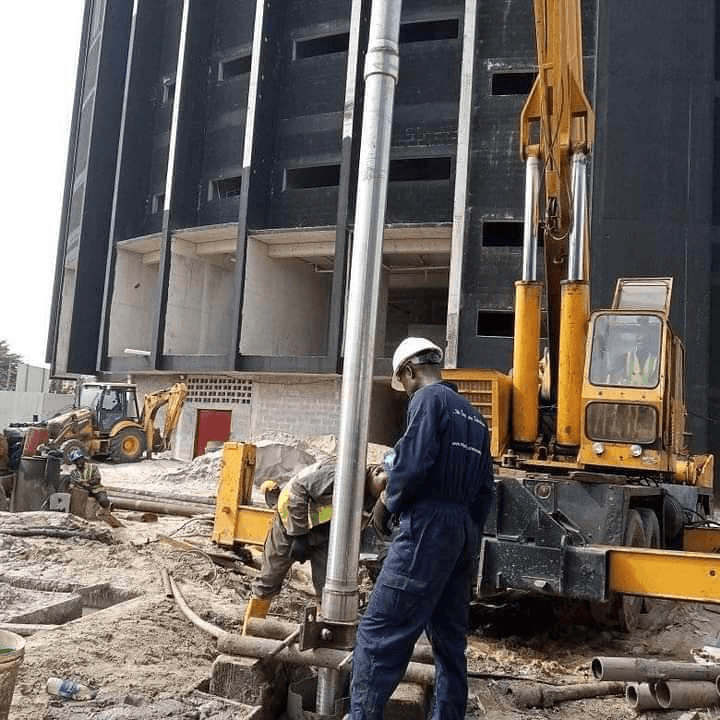
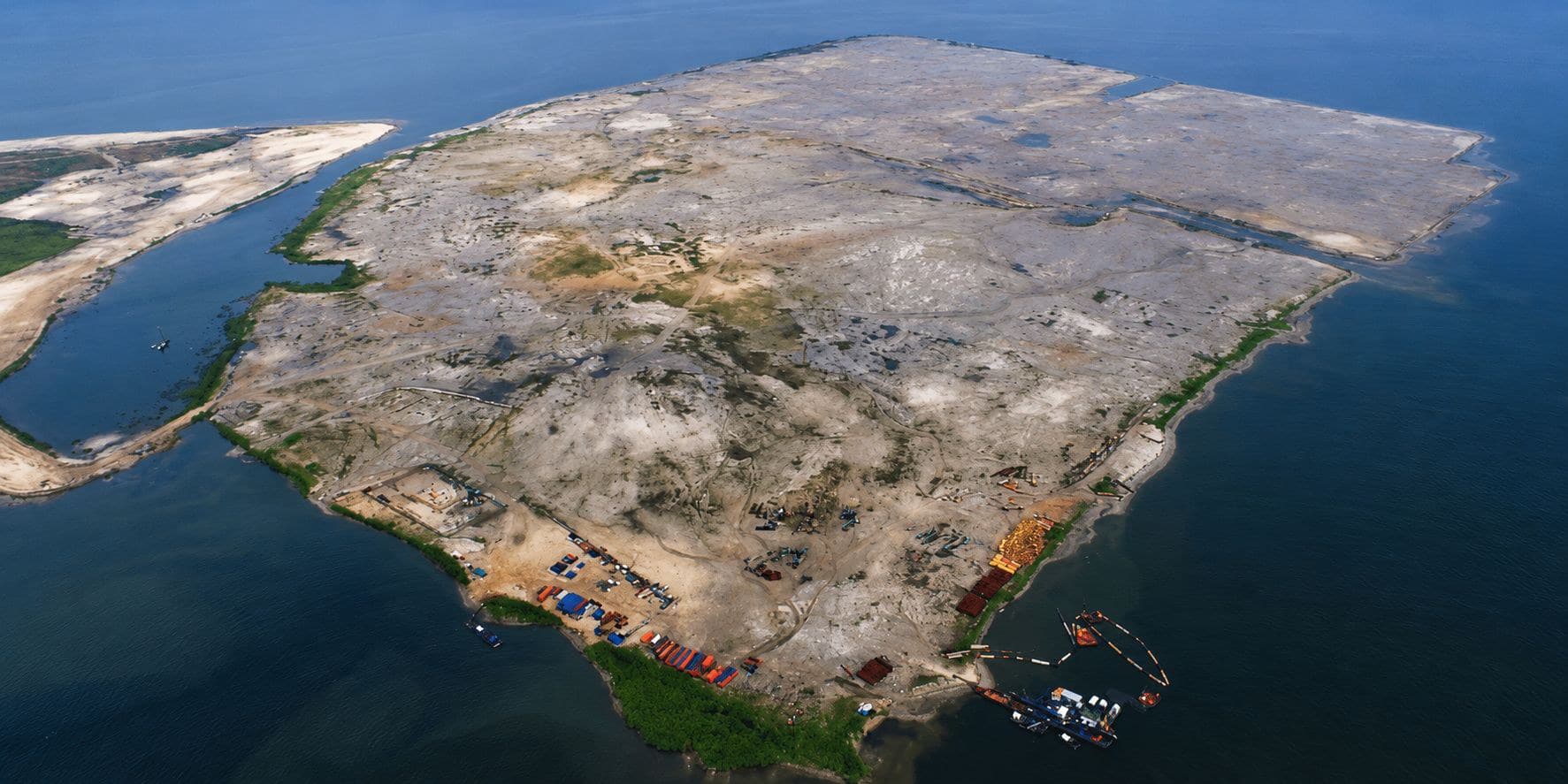
The most visible part of reclamation is often the movement of sand. The most important decisions, however, are usually made before the first load arrives. Site investigation, bathymetric information, material suitability and the intended use of the completed platform establish the conditions for every stage that follows.
A clear baseline helps the project team distinguish assumptions from verified information. It also allows plant selection, access planning and production targets to respond to the site rather than forcing the site into a preferred method.
Sequence controls performance
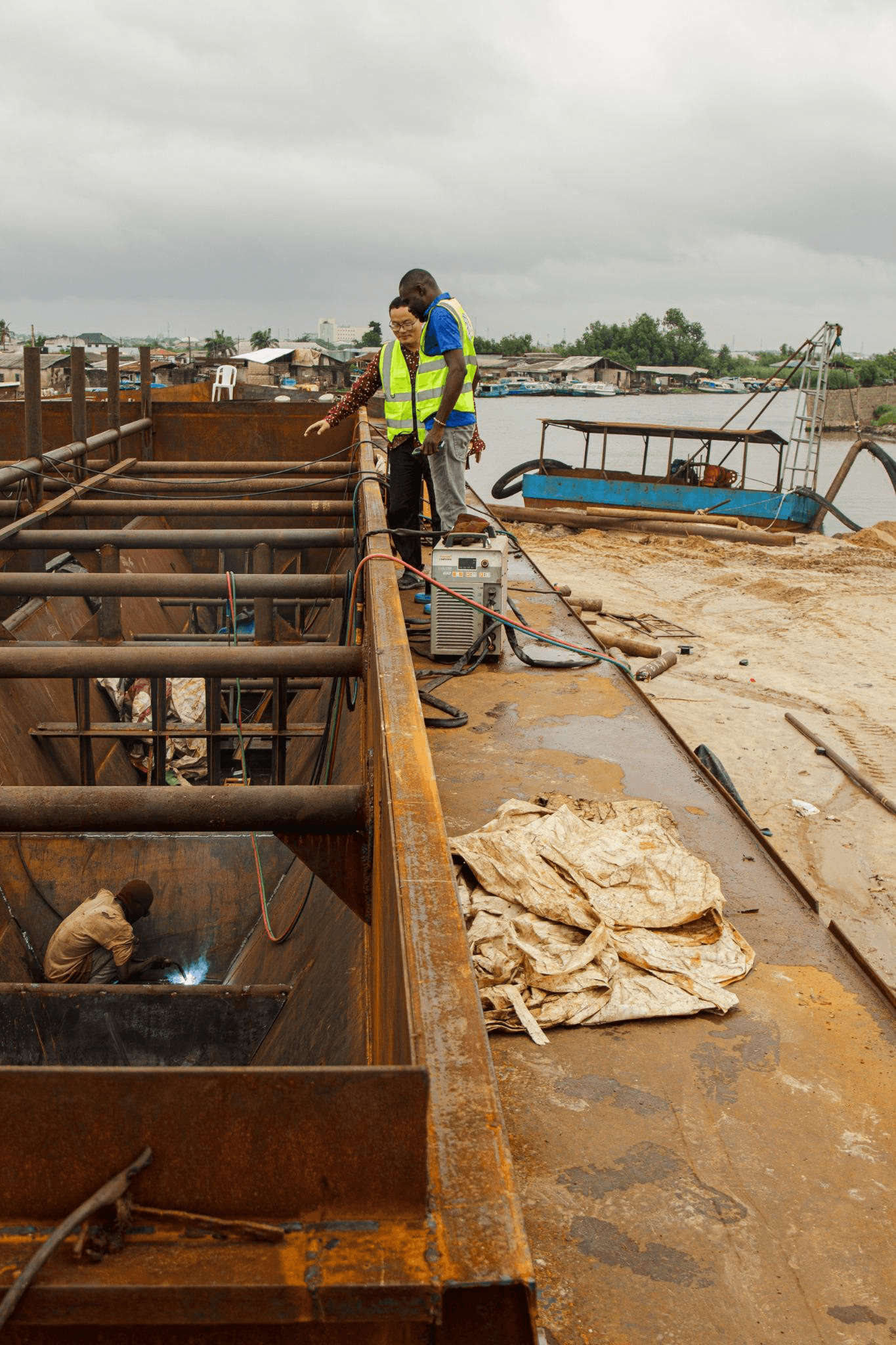
Dredging, transport, discharge, spreading and compaction are connected activities. Treating them as separate packages can create uneven production, rehandling and uncertainty about completed levels. A coordinated sequence makes interfaces visible and gives each team a shared definition of readiness.
Temporary drainage, containment and access routes should be considered alongside placement. Their timing can affect how material consolidates, how safely machinery moves and how quickly completed areas become available for the next trade.
Verification is part of production
Survey checks, material records and compaction testing are not paperwork added after the work. They are feedback loops. Used throughout delivery, they show whether the developing platform is matching the approved design and where the sequence needs adjustment.
The strongest close-out record is built progressively. It connects quantities, locations, test results and approvals in a form that future designers and asset owners can understand.
Practical takeawayReliable reclamation is a managed ground-making process: investigate, sequence, verify and only then hand over the platform for what comes next.