Read the coastal process
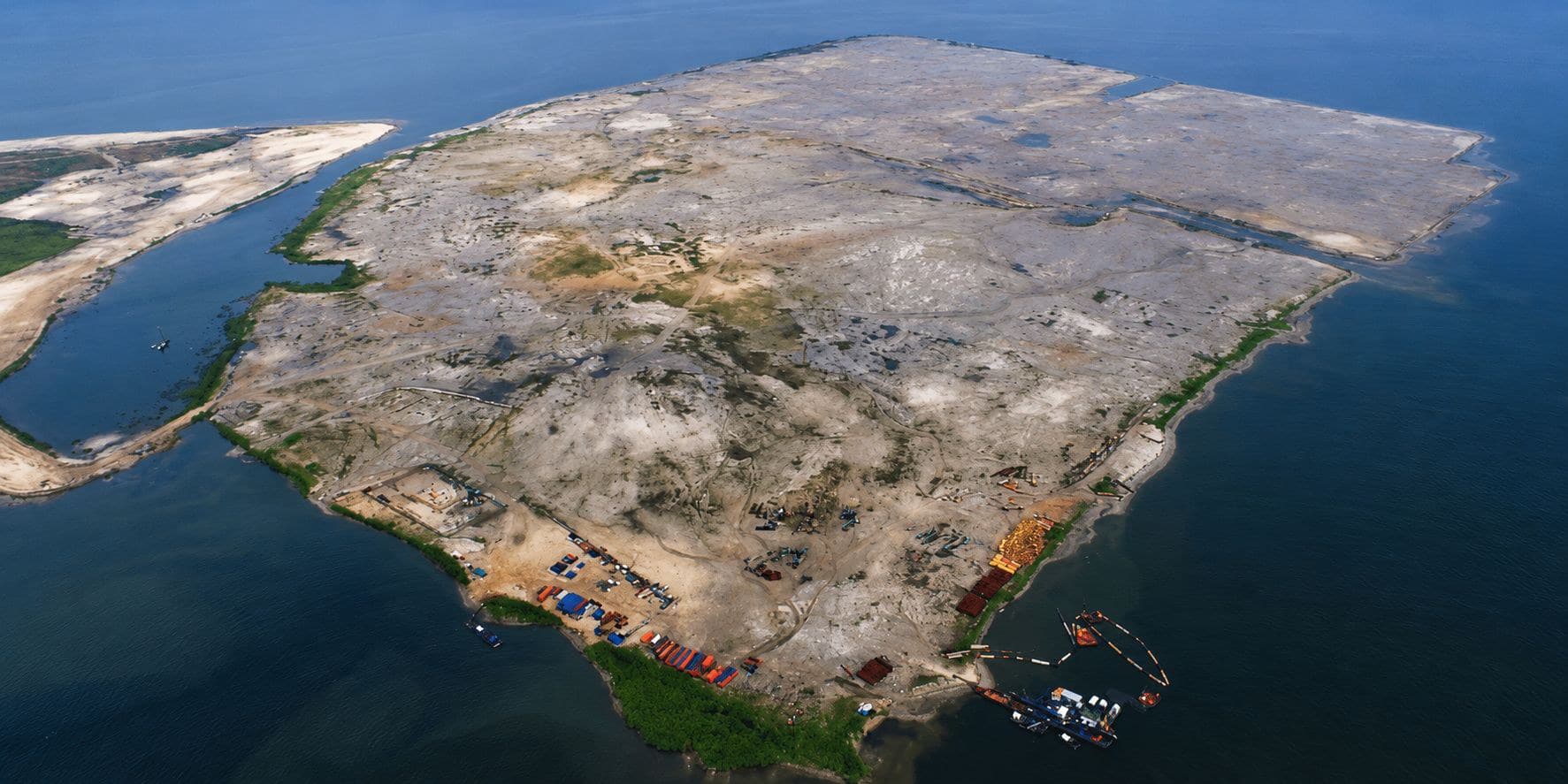
Waves, currents, water levels and sediment movement interact at different time scales. A useful assessment considers normal conditions as well as the less frequent events that may govern crest levels, toe stability or overtopping risk.
This wider reading prevents a local symptom from being treated in isolation. It also helps identify whether erosion may move toward the unprotected end of a new intervention.
Transitions carry risk
The points where a revetment meets natural ground, an existing wall or another construction type are often more vulnerable than the centre of the system. Geometry, filter continuity and access for maintenance all matter at these interfaces.
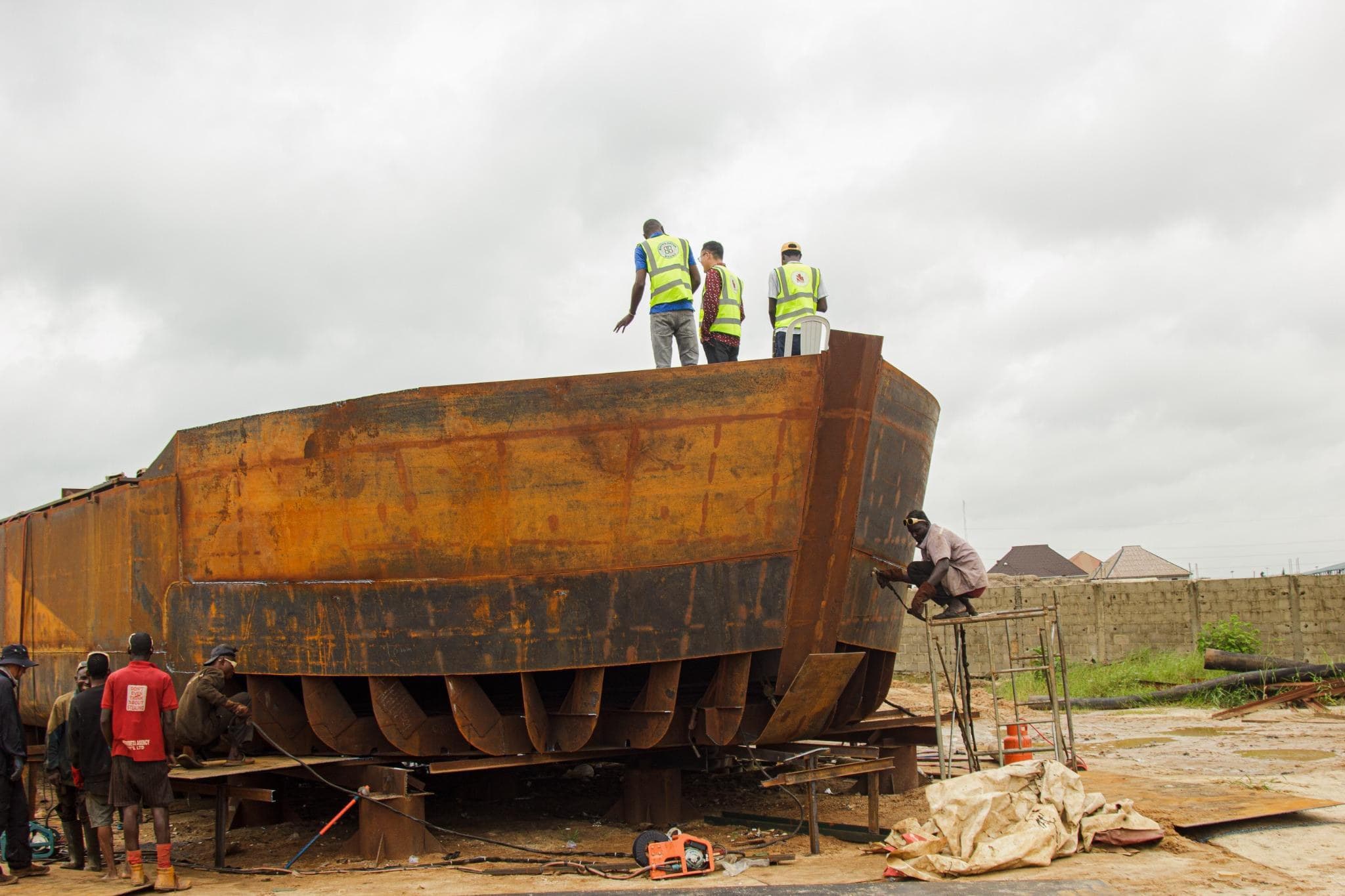
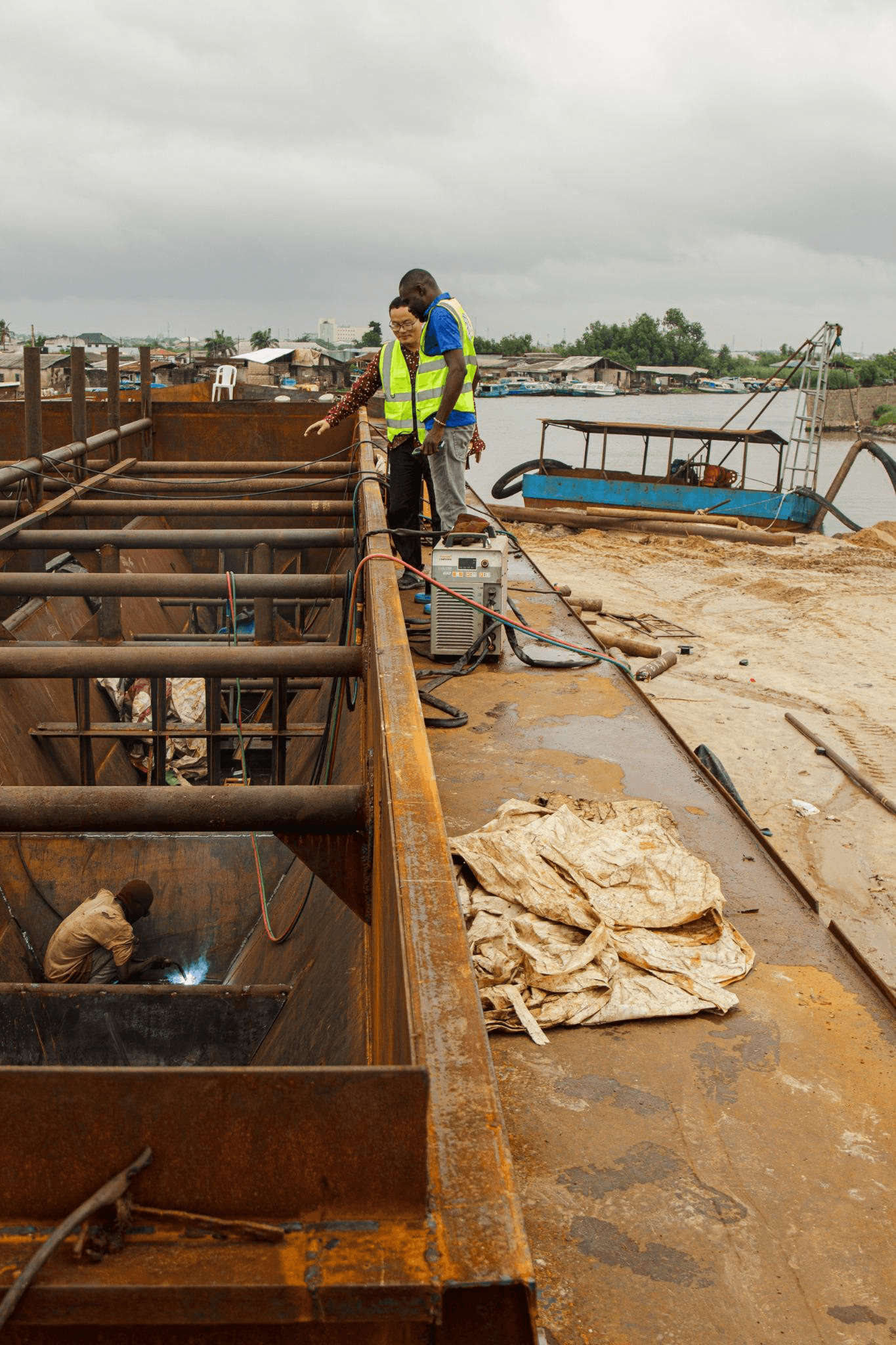
Constructability should be tested against tidal windows, marine access and the ability to place materials to the specified profile. A detail that cannot be inspected or maintained is unlikely to remain dependable indefinitely.
Design with stewardship in mind
Protection assets need periodic inspection after major events and at known areas of sensitivity. Simple, repeatable records—photographs, levels and observations—can reveal changes before they become major repairs.
Long-term performance is shared between sound design, controlled construction and informed ownership. The system begins at investigation and continues through the asset’s operating life.
Practical takeawayProtecting one line on a plan requires understanding the wider coastal system, especially its transitions and future maintenance needs.