Review the duty, not only the asset
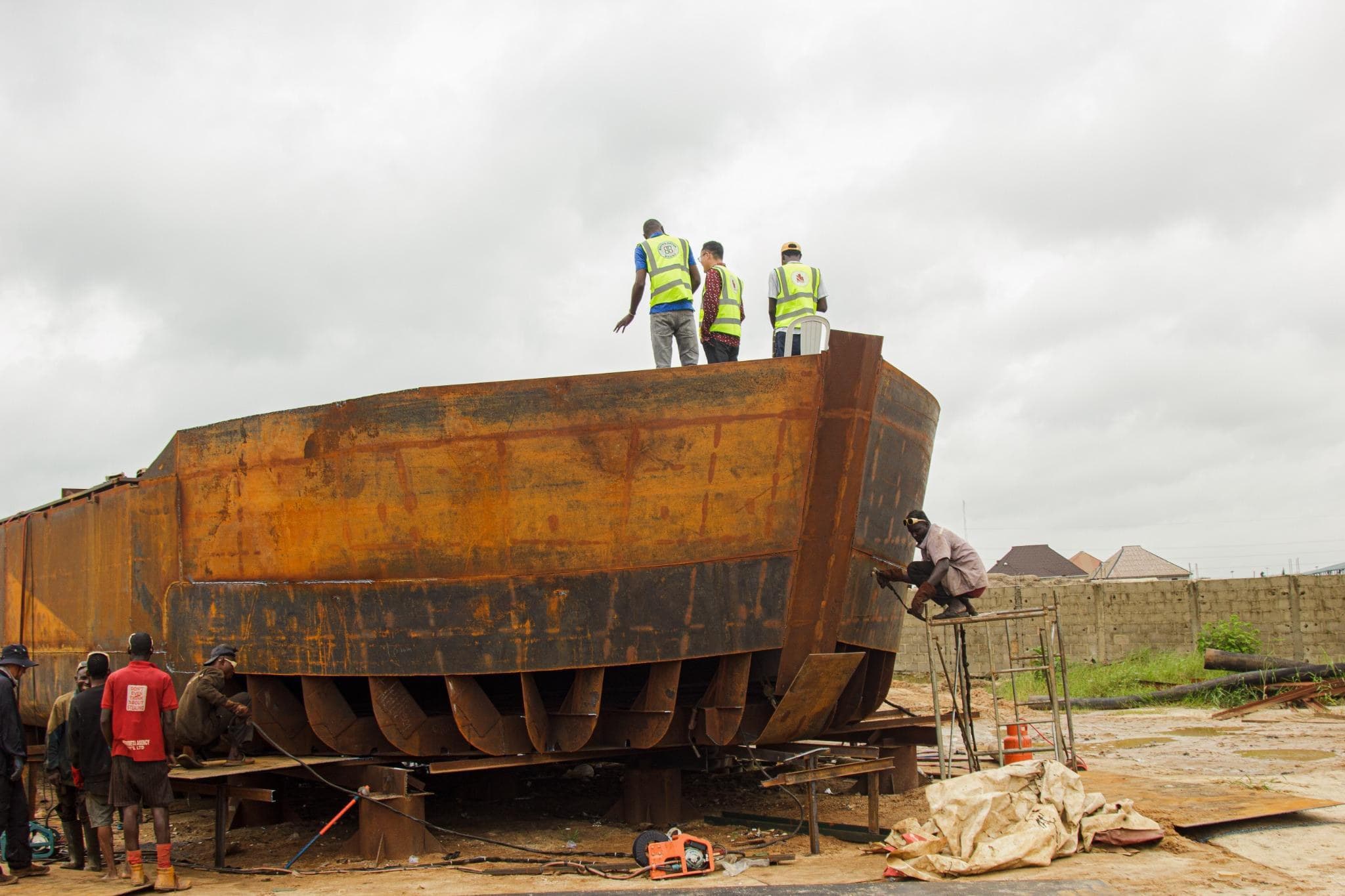
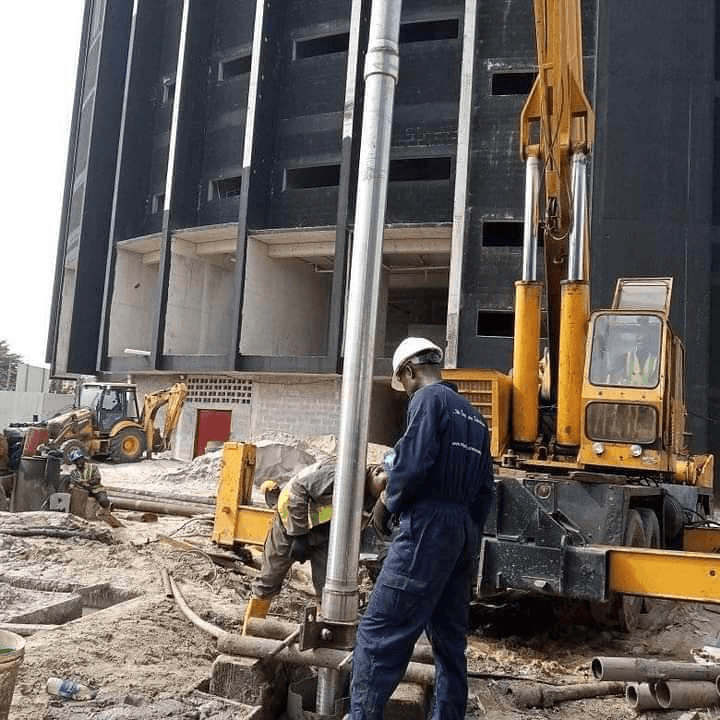
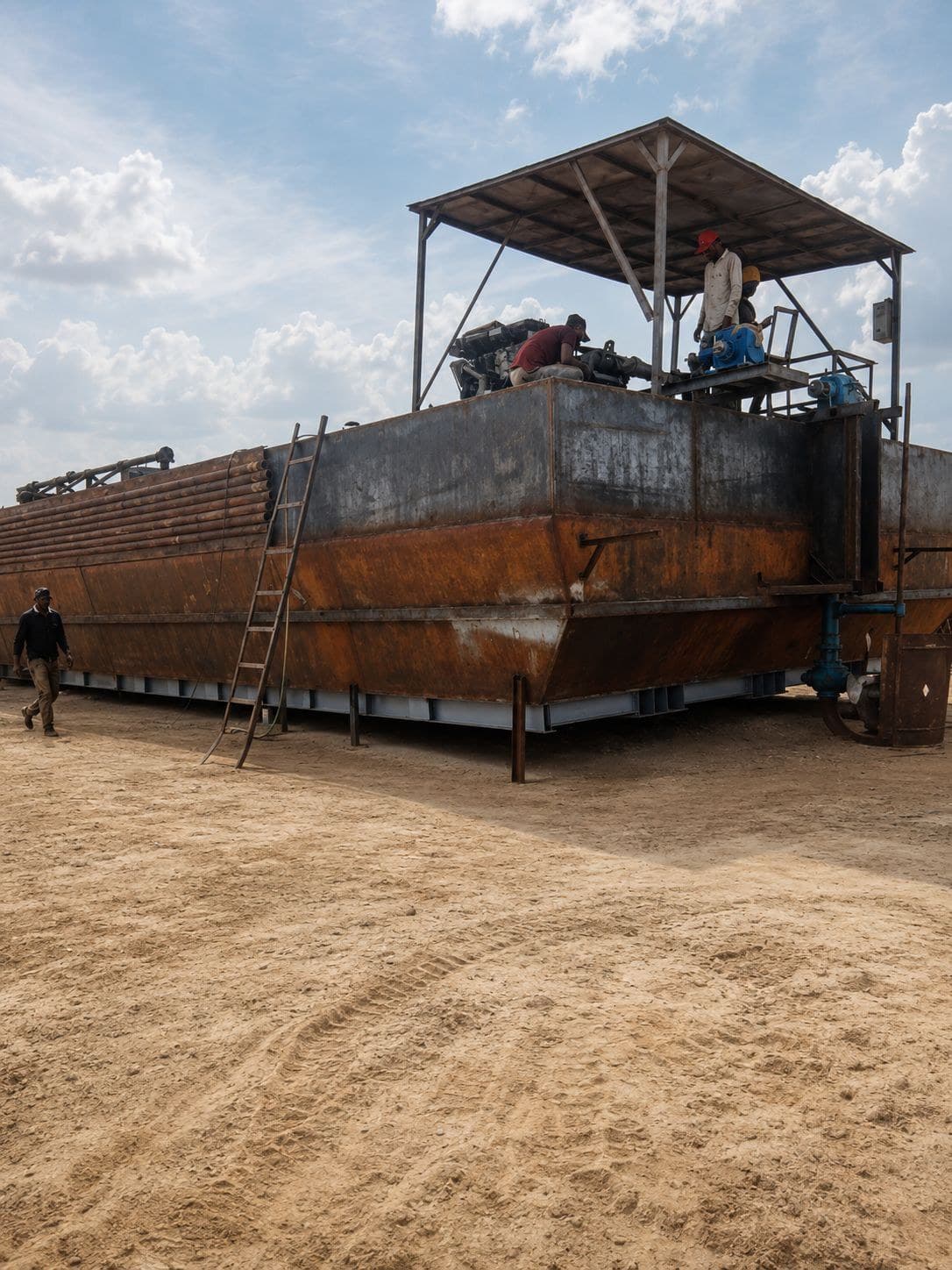
An item of plant may be serviceable yet unsuitable for a particular access route, lifting plan, sea state or production demand. Readiness begins by matching equipment capability to the job it is expected to perform.
That review should include interfaces with support vessels, hoses, anchors, lifting accessories, fuel arrangements and communications. Compatibility gaps are easier to resolve at the base than offshore.
Make condition visible
Inspection findings need a clear owner and close-out date. Photographs, certificates and service records help teams verify that critical actions have been completed before mobilisation.
A short operational trial can expose issues that a stationary inspection cannot. Controls, alarms, pumps and emergency arrangements should be checked in conditions that reasonably resemble the planned work.
Carry readiness into the field
Deployment is not the end of the process. Spares, maintenance intervals, weather limits and reporting routes should travel with the equipment and be understood by the operating team.
The objective is not a perfect checklist. It is a shared, evidence-based view that the plant, people and support system are ready for the defined task.
Practical takeawayReadiness connects equipment condition with a specific duty, operating environment and support plan.