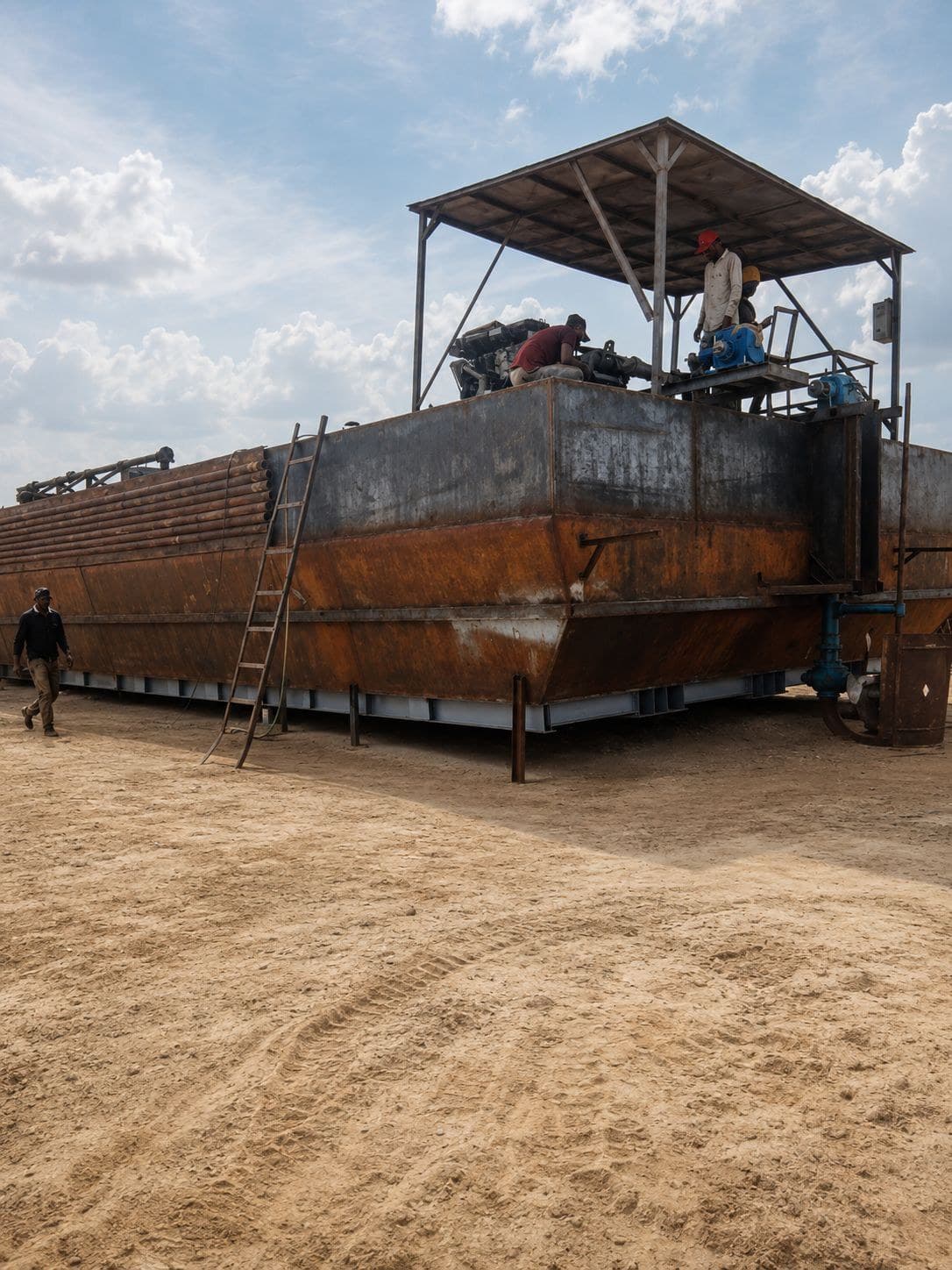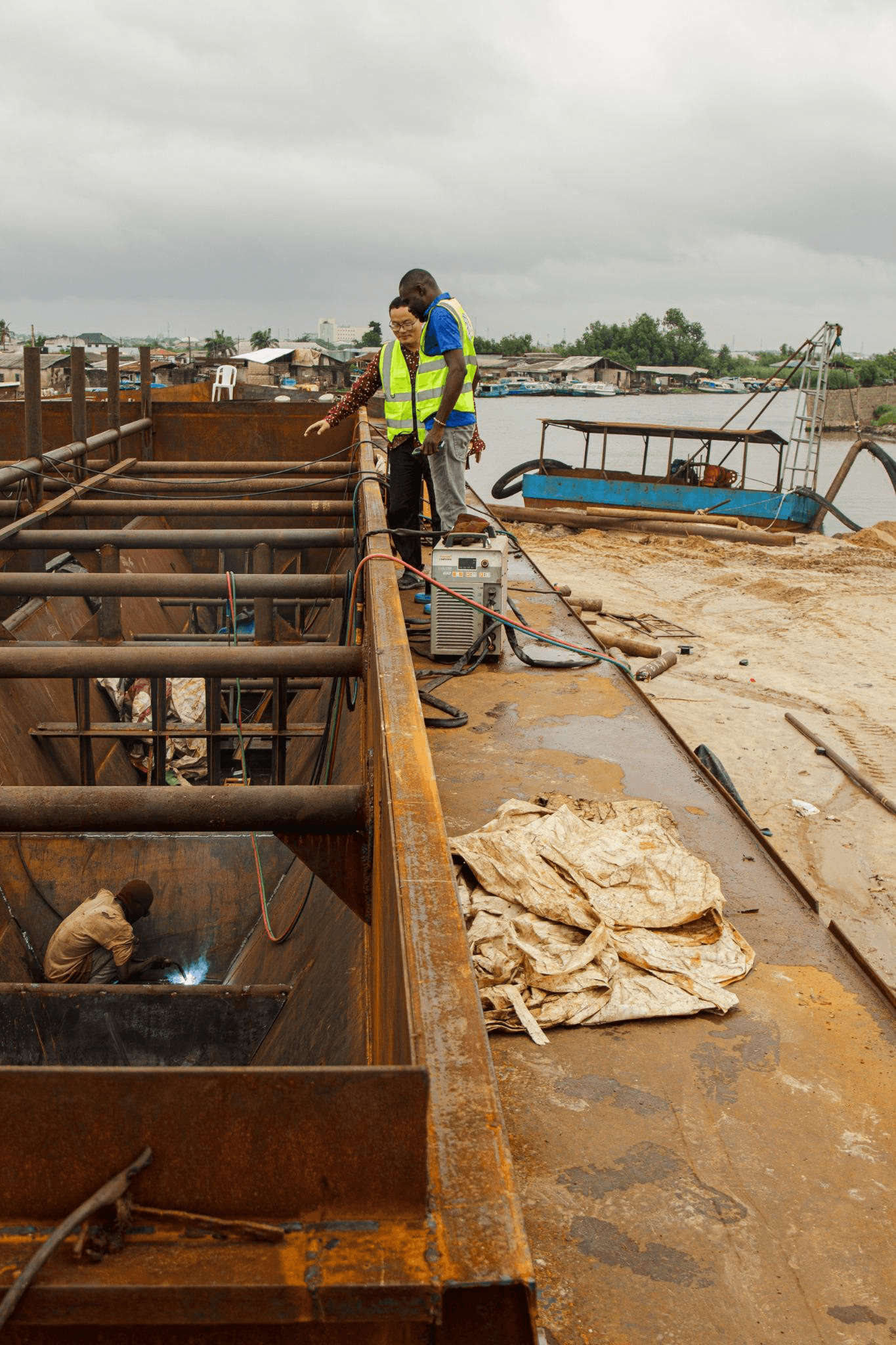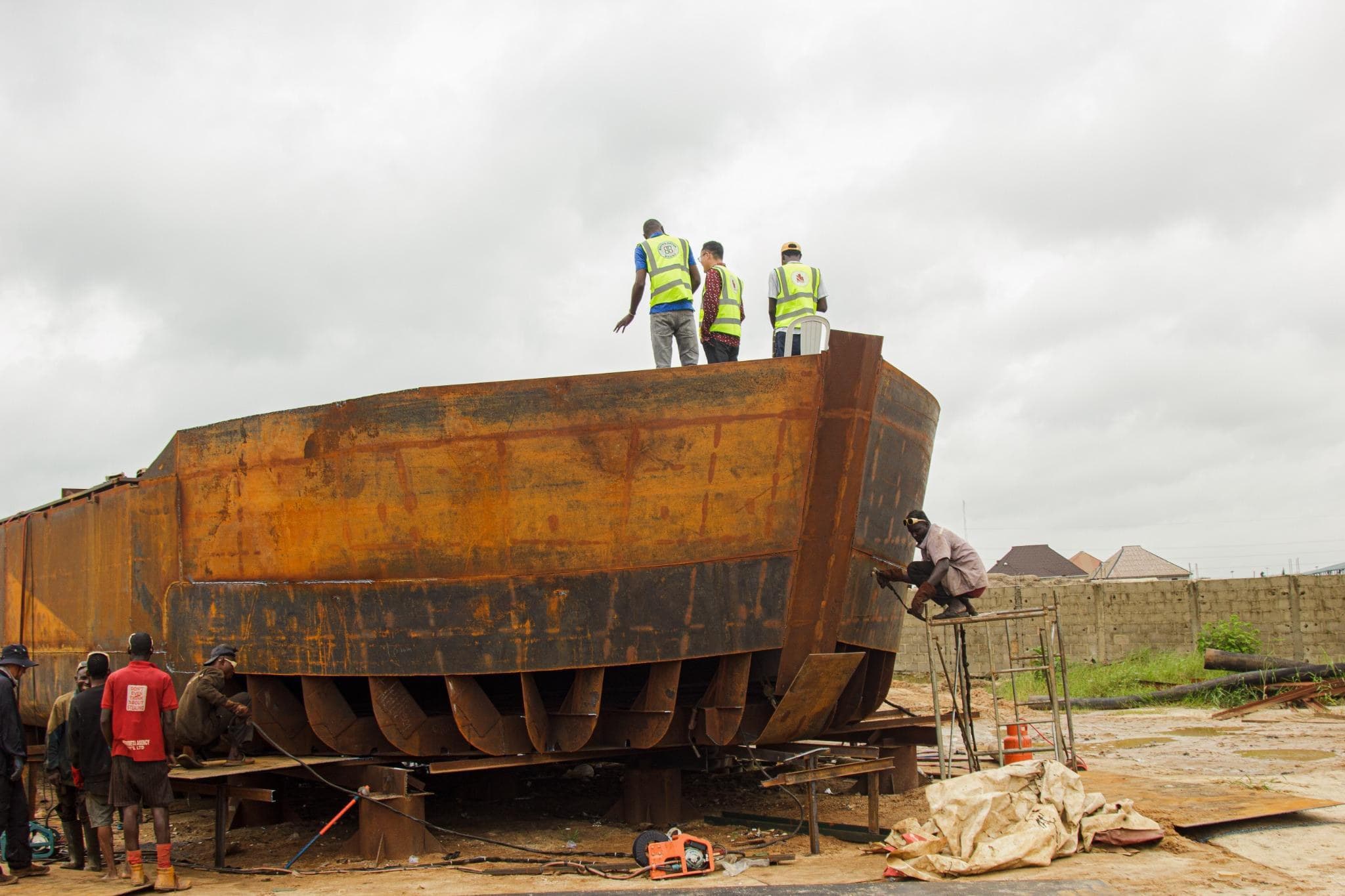
Can the route support the move?
Draft restrictions, bridge clearances, channel conditions, tides and permissions can control the mobilisation window. Route information should be current enough for the planned asset and reviewed with the people responsible for the movement.
The arrival area also matters. Mooring, turning space, unloading and the interface with land-based access should be defined rather than left for the first day on site.
What keeps production moving?
Fuel, water, crew changes, materials, waste and maintenance support form the operating rhythm behind the main activity. If one of these streams is fragile, the production plan should acknowledge it.
Weather and water-level limits need agreed sources and clear decision points. Everyone should know who pauses work, who communicates the change and what conditions allow a safe restart.
Are the interfaces owned?
Marine work frequently depends on surveys, shore teams, specialist subcontractors and client approvals. Named interface owners reduce ambiguity when the programme is under pressure.
The best mobilisation conversation ends with a small number of visible controls: current information, responsible people, defined limits and an escalation route that works outside normal office hours.
Practical takeawayA complete mobilisation plan covers the route in, the operating rhythm, the limits and the people empowered to make decisions.